Slab foundation building in San Carlos, CA - a slab matched to your soil and plans
Have plans for a new home or addition, or an old slab that's failing? We pour to your engineer's plans on a packed base.
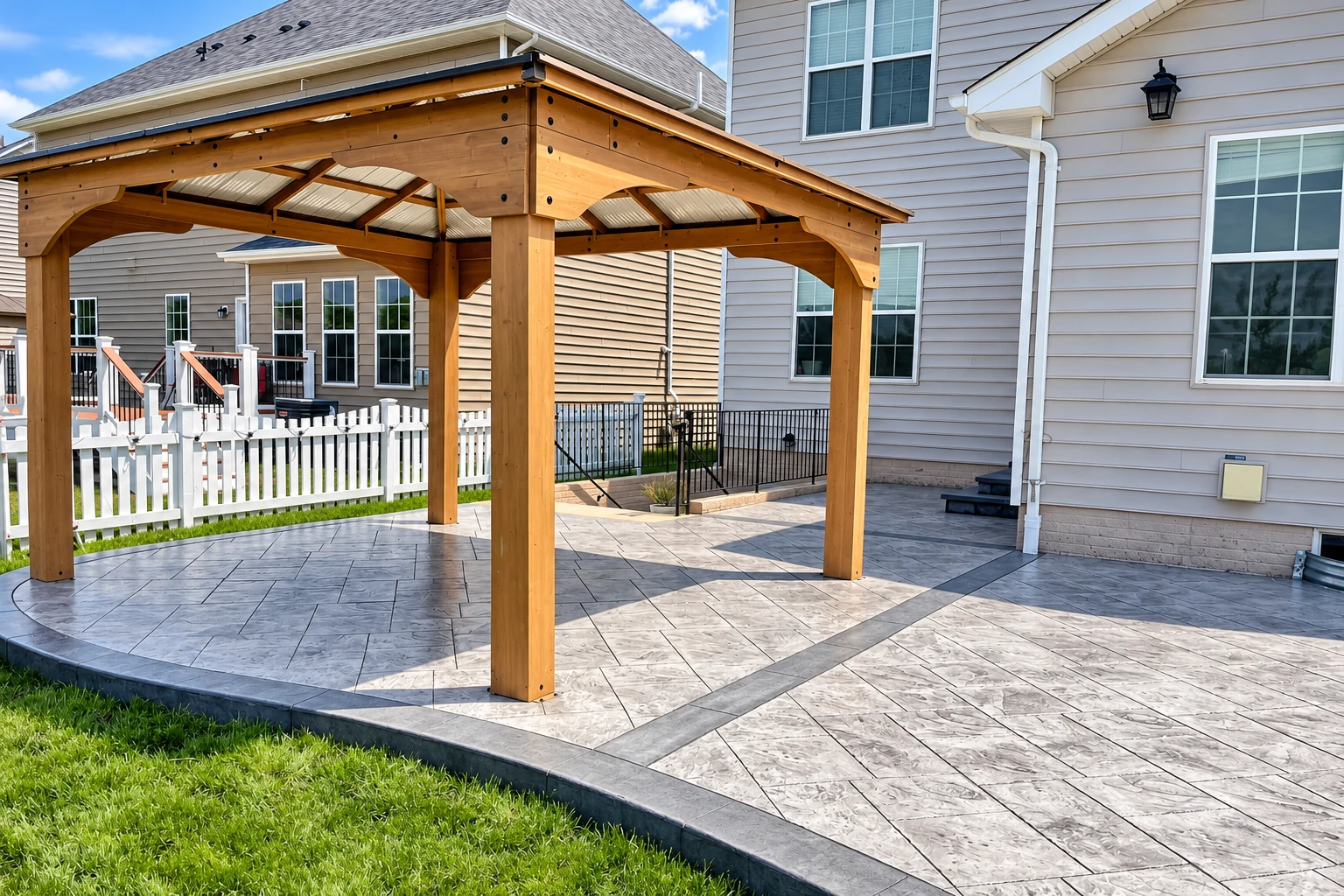
What goes into building a slab foundation in San Carlos?
A slab foundation is a concrete base poured right on the ground, with the footing formed as part of the floor slab itself. We build them in San Carlos for new homes, additions and replacement slabs, working from your engineer's plans. The pour goes quickly, but the concrete needs time to harden before framing starts.
Most calls come once the plans are drawn and the engineer has called for a slab, or when an old slab has to come out. The price usually moves with the size of the slab, how much digging and grading the lot needs, the reinforcement on the plans and how close a concrete truck can get. The schedule turns on the permit, the weather and how long the concrete needs before anyone builds on it, and your written estimate spells out the work for your lot. When a permit is needed, we settle with you who will pull it before work starts and write that into the contract. If your plans call for a raised floor on footings instead, that's our foundation installation work.
How do you know you need a new slab foundation?
Some people call with plans already drawn, and others call because a slab is moving under them. These are the things that usually tell us a new or replacement slab is the right job.
Your engineer's plans for a new home or addition call for a slab-on-ground foundation.
Floors in a room built on a slab slope or feel uneven, which usually means the slab or the ground moved.
Cracks in an old slab keep widening, or one side sits higher, so patching it won't hold for long.
Ground-floor doors and windows stick or won't latch, which can point to slab movement worth a look.
Water pools against the house or comes up through the floor, often a sign of poor grading underneath.
Your soil cracks open when it dries and turns sticky when wet, so the slab type really matters.
If cracks grow or doors stick worse each season, call (650) 866-1977 now, because a slab is easier to plan before a small problem turns into a bigger one.
What happens when you call about a slab foundation?
I usually come out myself to measure and look at the site, and our crew does the forming, pouring and finishing. Here's how the job runs from your first call to the final walk-through.
Call or send the form
Tell us what you're building and where, and send the engineer's plans if you have them. We'll set a time for me to come out to the site.
I measure and look it over
I measure, check truck access, look at grade and drainage and talk through what you want. Then you get a written estimate with each part of the work spelled out, so you can see where the money goes before you decide.
We form, pour and finish
When you're ready, we schedule the work, dig out and pack the base, set the forms and steel to the plans, then pour and finish. I check the work as it goes, because concrete gives you one chance and mistakes set with it.
We walk the slab together
I go over the finished slab with you before we call it done. I'll also show you how to keep it protected while the concrete hardens.
Get a written estimate for your slab foundation
Send the form and we'll reply within one business day to set a time. I'll come out, measure and look over the site, then send you a free written estimate, with no pressure and no obligation.
- Call
- (650) 866-1977
- Hours
- Mon–Fri: 8 AM–11 PM, Sat–Sun: 7 AM–11 PM
Slab types, reinforcement and the base underneath
Most house slabs are reinforced with rebar, steel bars that hold the concrete together and keep small cracks from opening up. The edge is thickened where the slab carries the walls. On ground that shrinks and swells, the national trade group for post-tensioning recommends post-tensioned slabs as a cost-efficient, high-performance option. These use steel cables pulled tight after the pour. Ask your engineer whether that type fits your lot, and we'll pour whichever slab the plans call for.
The part you never see matters most. We dig down to firm subgrade, the ground the slab sits on, then pack a base over it and check that water will run away from the house. The base gets buried on day one, so it's often the first thing people want to cut from the budget. I won't cut it, because a slab on loose, raked dirt settles with that dirt. It's the same base work we do under a concrete parking lot.
We cut control joints wherever the plans call for them. These are shallow grooves that give shrinking concrete a chosen place to crack, and we cut them before the slab starts cracking on its own. We also pour outside the worst afternoon heat, because concrete that dries too fast can end up with a weak, dusty top.
Slab foundation questions from San Carlos homeowners
How much does a concrete slab foundation cost in the Bay Area?
A reinforced concrete slab in the Bay Area usually costs about $9 to $16 per square foot, according to one Bay Area cost guide. That's the going market range, not our price. The same guide prices unreinforced pads lower, so the steel a house slab needs adds to the cost, along with digging, grading and access. Your written estimate gives you the figure for your own lot.
Will my new slab foundation crack or move over time?
It may show some small movement, and that's normal, especially on soil that shrinks and swells. Engineers who study slabs on that kind of ground say even a well-designed, well-built slab can show some movement and cosmetic cracking. They add that a slab with none would cost too much and likely couldn't be built at all. We build to your engineer's plans and tell you this up front, so a hairline crack years later doesn't come as a surprise.
Who is allowed to build a slab foundation in California?
A licensed contractor. California only exempts minor work from licensing when the whole contract, labor and materials included, comes to less than $500 and isn't part of a larger project. The state contractor board has a concrete contractor license for forming, pouring and finishing concrete. Wherever a city or county issues a permit, the contractor has to give a signed statement with the license number showing the license is in force. We're fully licensed and insured.
How long does a new concrete slab need to cure before it can carry weight?
You can usually walk on a new slab within 48 hours, but concrete takes about a month to fully cure, which is the slow hardening that gives it its strength. One Bay Area guide suggests waiting a week before putting heavier loads on it, just to be safe, so leave room in your schedule for that.
How do I check if my San Carlos lot is in an earthquake hazard zone?
Type your address into the state's EQ Zapp map. It shows whether the property lies in a mapped earthquake hazard zone, or in an area the state hasn't evaluated yet. In a mapped zone, cities and counties require a site study by a state-licensed engineering geologist or civil engineer before issuing a development permit. Single-family frame homes up to two stories that aren't part of a development of four or more units are exempt from that state rule, but local agencies can be stricter. We're based in San Carlos and work in the cities around it, so bring your result to the site visit.
What is the best way to keep moisture from coming up through a new slab?
The usual answer is a moisture membrane laid under the slab. One maker's installation guide says to seal it around pipes, columns and anything else that passes through, so it forms one continuous layer below the slab and at its edges. Ask any contractor how they seal those spots, because a gap there lets ground moisture in.
Related foundation and concrete work
Foundation installation
If your engineer calls for a raised floor, a crawlspace or perimeter footings instead of a slab, this is the foundation work you'll want priced.
Concrete parking lot building
If a commercial or multi-unit project needs parking next to the new building, we can pour the lot along with the slab work.
Request your slab foundation estimate
Call (650) 866-1977 or use the form, and have the property address, your EQ Zapp result and any engineering plans ready, so the site visit covers the questions your lot raises.
Mon–Fri: 8 AM–11 PM, Sat–Sun: 7 AM–11 PM